
Equipment

Microflex Desktop MALDI-TOF System
Microflex LT: a desktop MALDI-TOF system for routine analysis. A compact desktop MALDI-TOF system operating in linear mode, designed for easy use but offering high performance to solve key tasks.
A mass spectrometer is an analytical device capable of separating gas-phase charged particles in a vacuum based on their mass-to-charge ratio.
One of the optimal applications of the Microflex class mass spectrometers is the MALDI Biotyper system for microorganism identification and classification—a fast and reliable system for identifying microorganisms. MALDI Biotyper technology allows the identification of bacteria (both gram-positive and gram-negative), as well as yeast and multicellular fungi, without a complex sample preparation process. Considering that most of the proteins in bacterial cells during the logarithmic growth phase are represented by ribosomal proteins, which in turn are encoded by 16S RNA, determining protein mass spectra provides information about 16S RNA sequences, currently regarded as a primary species-level taxonomic marker.
The analysis is performed in a single stage, and within minutes, the researcher can obtain comprehensive results on species identification of microorganisms. MALDI Biotyper is used for medical control, food and veterinary industries, and in microbiological laboratories for microorganism identification.
MALDI Biotyper is a compact and reliable next-generation desktop device for microorganism identification from Bruker Daltonics, offering the following advantages:
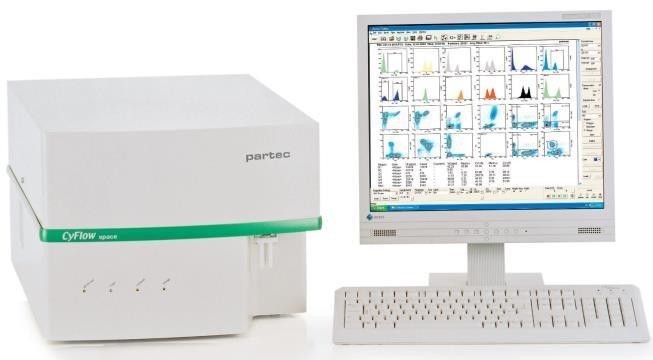
Partec Cyflow Space Cytometer
A desktop, multi-laser Flow Cytometer. The CyFlow® space analyzes up to 8 optical parameters (forward and side scatter, and 6 fluorescent markers). Flow cytometry is the gold standard for immunophenotyping.
The advantages of the method include:
The technical capabilities of modern instruments allow the analysis of multiple cell subpopulations in a single sample based on a set of morphological characteristics and fluorescence of several types.
Main clinical applications include both routine technologies and emerging ones, covering many fields. These include clinical immunology, allergology, transplantology, oncohematology, and infectious diseases. The method is used to detect normal and pathological surface markers on blood cells, bone marrow cells, and there are protocols for using cells from solid tumors and tissues after special processing and homogenization.
Key examples of its use include determining parameters of the immune cell status, from major populations to small subpopulations (Type 1 and 2 T-helper cells, T-regulators, α and γ T-lymphocytes, naive lymphocytes, and memory cells). In addition to cell quantity, cytometric analysis of functional cell abilities (phagocytosis, apoptosis, activation markers, including sepsis tests) can be conducted. Cytometry allows for basophil activation testing, HLA typing (CrossMatcH), and DNA ploidy analysis.
Formally, the capabilities of flow cytometry are determined by the ability to label microscopic objects with fluorescent markers using highly specific antibodies on the one hand, and limited by the physical size of the analyzed particles on the other hand. However, even within these constraints, the analytical potential of flow cytometry is vast, ranging from the analysis of microparticles and the study of cell apoptosis mechanisms to the investigation of immune regulation and molecular transport processes.
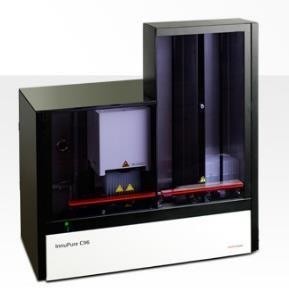
InnuPure C96 Robotic System for DNA/RNA Extraction
The InnuPure® C96 system enables rapid and fully automated extraction of DNA/RNA from a complex of starting materials in a 96-well standard format. The InnuPure® C96 extraction system is based on proven liquid handling principles and purification through magnetic particle separation.
As a result, high yield and excellent purity are achieved. The purification of DNA and/or RNA is one of the most common sample preparation methods, a standard practice in molecular biology and medical diagnostics.
The device is recommended for use in high-throughput studies requiring highly efficient RNA/DNA extraction.
System capabilities:
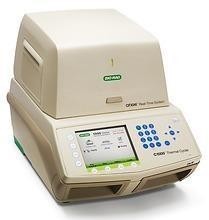
CFX96 (BioRad)
Open system: the ability to use test systems from various manufacturers. Compatibility with automated sample preparation stations is ensured by the automatic loading of the device.
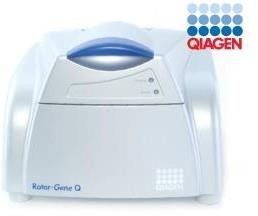
RotorGene Q (Qiagen)
Rotor-type reaction module. Ability to conduct multiplex polymerase chain reaction (PCR) with independent detection of at least 5 (five) DNA targets.
Possibility of HRM analysis. Data display in real-time.
Capability for quantitative determination of amplification products.
Use of universal PCR tubes with a volume of 0.2 ml, with flat and domed lids.
Operating temperature range of at least 25-99oC.
Ability to detect fluorescent signals in at least 6 (six) fluorescence measurement channels during a single amplification reaction, with no need for calibration procedures during the operation of the requested thermocycler.
Ability to modify the amplification program during operation.
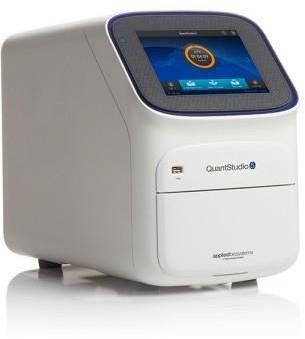
QuantStudio® 5
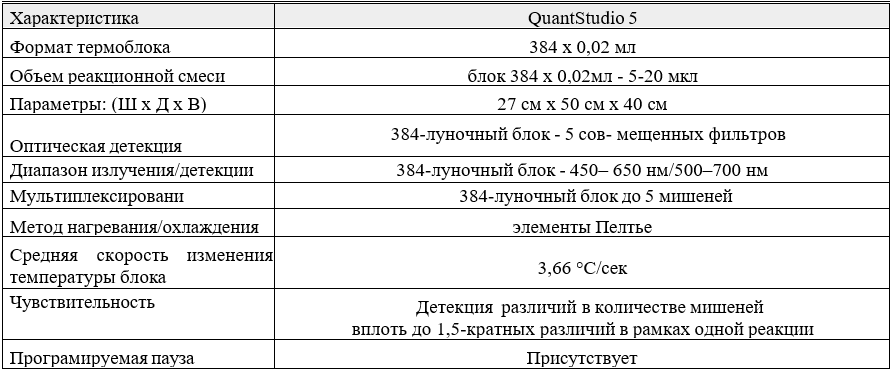
The QuantStudio 5 system for real-time PCR is a compact, modern device with a user-friendly interface. Thanks to the advanced OptiPlex optical system and VeriFlex blocks, it can address a wide range of tasks, such as gene expression analysis, microRNA and non-coding RNA analysis, SNP genotyping, copy number variation studies, mutation detection, and drug metabolism analysis.
Reaction blocks of different formats - 96 x 0.1 ml; 96 x 0.2 ml, as well as a block of 384 x 0.02 ml (only QuantStudio 5).
The VeriFlex™ block (with Peltier elements) allows for precise temperature control in each independent block.
Programmable pause.
Temperature change rate of the block up to 6.25 °C.
Applications
QuantStudio® 12K Flex
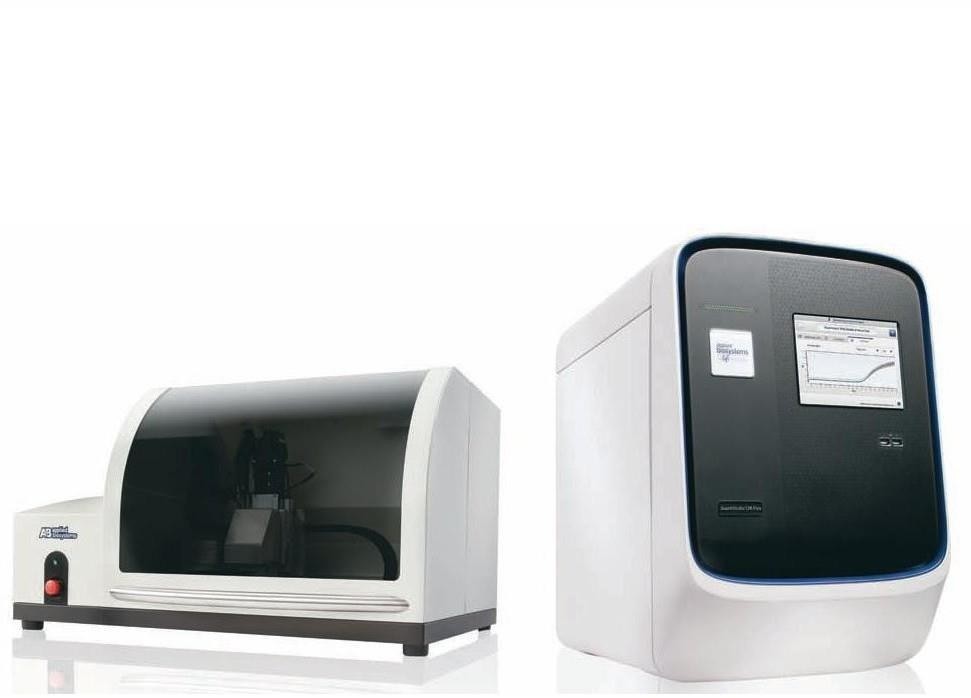
The QuantStudio 12K Flex Real-Time PCR System is a high-performance system with a functional interface that allows for the collection of up to 12,000 data points per run. The OpenArray technology reduces project implementation times from weeks to just a few days or even hours.
Features:
Applications

Open Array Technology
The OpenArray technology represents a unique platform for conducting reactions in nanoliter volumes. The OpenArray technology can be used for both SNP genotyping and transcript analysis, as well as for performing digital PCR for precise quantitative determination of viral load, high-precision detection of rare mutations, and determination of copy number variation (CNV).
This technology utilizes special OpenArray slides. Each slide allows for the acquisition of 3072 data points.

LabChip GX (II) Touch
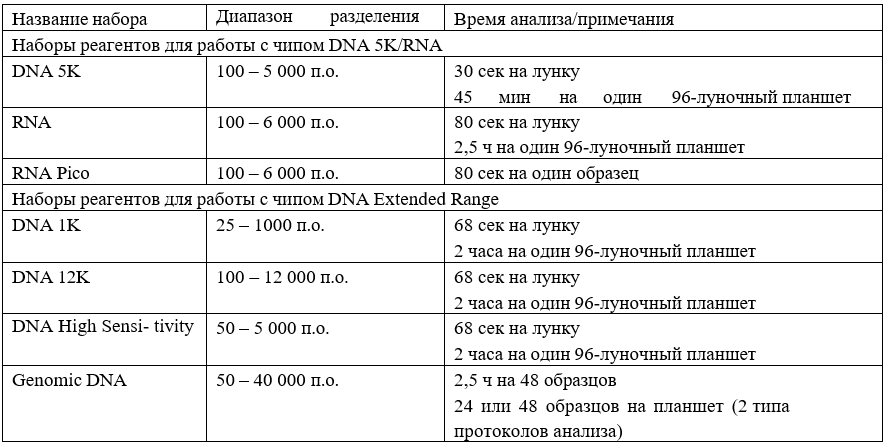
The LabChip GX Touch system is designed for the analysis of RNA and DNA. The LabChip GX electrophoretic system operates on microfluidic chips with a single sample aspiration needle - a "sipper" that aspirates samples directly from 96-/384-well microplates.
Detection is performed using laser-induced fluorescence. The software automatically analyzes the data, determining the fragment lengths and their quantities based on calibration standards of molecular weights and quantitative markers. Results in digital format are immediately available for viewing, and data can also be presented as a virtual gel, electropherogram, or in tabular form.
This technology is positioned as a system with high-speed analysis of results with high resolution while maintaining high sensitivity and reproducibility, completely replacing the post-PCR result analysis process. The extended version of LabChip allows for the analysis of not only nucleic acids (DNA, RNA) but also proteins, including not only quantitative and qualitative determination of peptides but also the possibility of analyzing glycosylation patterns of monoclonal antibodies, which is relevant in immunological studies.
Chips and reagents for DNA and RNA analysis:
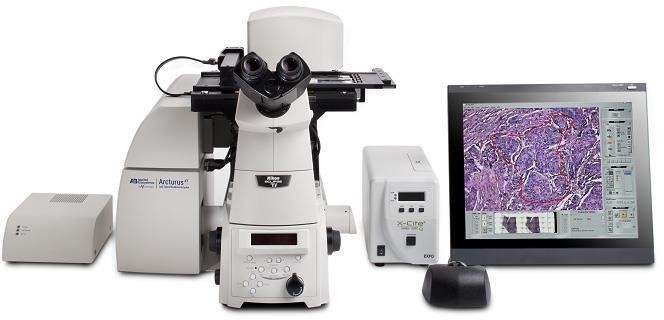
Applied Biosystems® Arcturus® - Laser Capture Microdissection
The ArcturusXT™ Laser Capture Microdissection (LCM) System, featuring ultraviolet and infrared lasers, is utilized for automated microdissection of individual cells or multicellular structures from slides containing tissue or cytological samples.
The ArcturusXT™ Laser Capture Microdissection (LCM) System consists of the ArcturusXT instrument, a computer, and ArcturusXT software.
About laser microdissection:
Laser microdissection is a method for obtaining individual cell populations from sample preparations using a low-power infrared laser to activate a special thermoplastic film over the specimen.
The activated transfer film adheres to the cells within the diameter of the laser beam. The laser does not affect the tissue samples, does not alter the quality of nucleic acids and proteins in the sample, or the morphology of the cells.
Laser capture microdissection (LCM) avoids damaging cell morphology and its chemical composition, making this method optimal for studying DNA, RNA, and the protein composition of cells.
System characteristics:
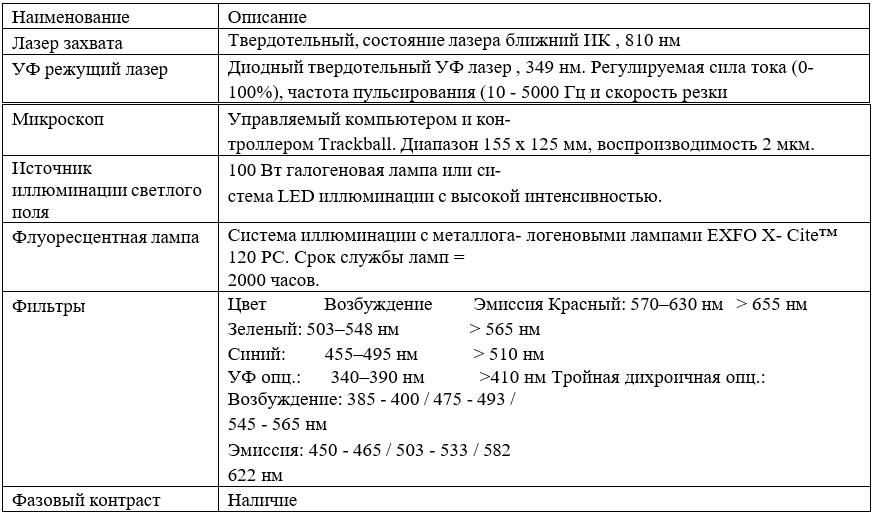
UV Laser Cutting
The Applied Biosystems® ArcturusXT™ LCM system allows:
Petri dish applications include:
Obtaining cell images:
Direct measurements of linear dimensions of the object on the screen.
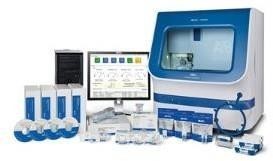
8-channel Capillary Electrophoresis ABI3500 (Applied Biosystems)
The ABI Prism 3500xl genetic analyzer is an automated 24-capillary sequencer that can be used for various applications requiring nucleotide sequence determination (sequencing) and analysis of the size and relative quantity of DNA fragments (fragment analysis).
Can be used for comparative sequencing, detection and confirmation of mutations and SNPs, as well as STR, AFLP, and SSCP analyses.
Number of capillaries: 8
Capillary length (cm): 36 or 50
Type of polymer: POP-4™, POP-6™, POP-7™
Number of fluorescent labels that can be detected simultaneously (emission wavelength): 5 (525 – 650 nm)
Read length: over 850 nucleotides
Instrument performance: 1272 runs per day when using a short capillary and POP-7 polymer
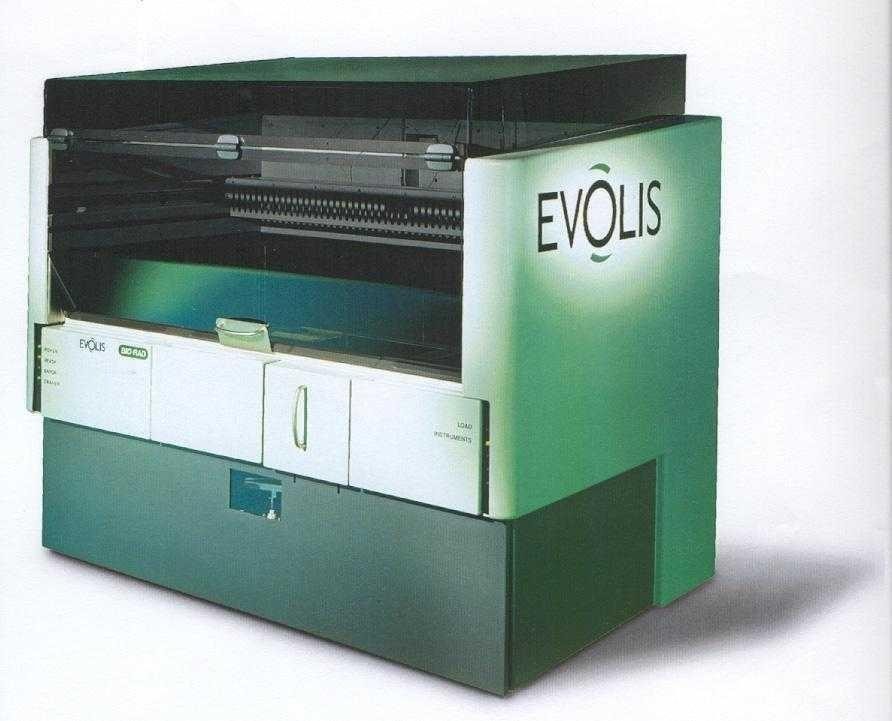
Automated Immunoassay System EVOLIS
The automated EVOLIS complex is designed to perform enzyme-linked immunosorbent assays (ELISA) in a plate format. The software of the device provides the ability for flexible programming of algorithms for any type of analysis.
The EVOLIS analyzer is a fully automated system that allows for the following operations:
It performs the immunoassay reaction in one setup on 4 plates simultaneously. In one technological process, from 4 to 7 microplates are processed.
Up to 12 different test systems can be combined on each plate. The limitations are the incubation times and temperatures.
Sample and control addition into the wells of the microplate with the required accuracy. There is an option for preliminary dilution of the samples in external tubes or special plates with a well volume of 1 ml. The maximum dilution factor is 1:10,000.
Samples, controls/standards, and reagents are added into the wells of the microplate with the required accuracy.
Control at all stages of the sample, control/standard, and reagent addition operations. Automatic measurement of liquid levels in the samples, as well as detection of clots using conductometric methods. Control of the addition of samples and reagents into the microplate wells by registering changes in their optical density.
Execution of high-efficiency washing of the microplate to ensure minimal residual volume. Up to 3 different washing solutions can be used in one setup.
Incubation of microplates with highly accurate temperature regulation. The option for plate shaking during incubation is provided.
Measurement of the absorption coefficient (Optical Density) in the wells of the microplate.
The analyzer can yield up to 380 results in 3-4 hours, but productivity depends on the specific protocols of different tests used in the analyzer.
Enzyme-linked immunosorbent assay (ELISA) is one of the fundamental analyses in modern laboratory diagnostics, and the range of possible tests is vast, including hormones, cytokines, antibodies and antigens of infectious agents and parasites, antibodies to autoimmune diseases, and mediators of pathological processes. The ELISA robot is an open system, allowing the use of test systems from any manufacturer.
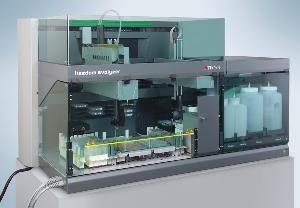
Tecan EVolizer 100 Laboratory Robot (Tecan)
The device autonomously performs the pipetting of samples and reagents, checks the pipetting, and if necessary, carries out uncovering and dilution, incubation at a specified temperature, photometry, washing, and processing of measurement results with the final result output in graphical and electronic form, achieving full automation of any ELISA methodologies.
Programming of the robot is done through specialized software running on Windows.
Pipetting LiHa and transport RoMa manipulators.
Tip configuration (4 reusable Teflon tips).
Dosage syringe volumes: 200 µl.
Barcode reading for samples, reagents, and microplates.
Shaker thermostat.
Sunrise spectrophotometer.
Washer.
Open platform for reagents and used consumables.
Availability of racks supporting laboratory consumables from various manufacturers (Vacutainer, Eppendorf, Nunc, Labsystems).
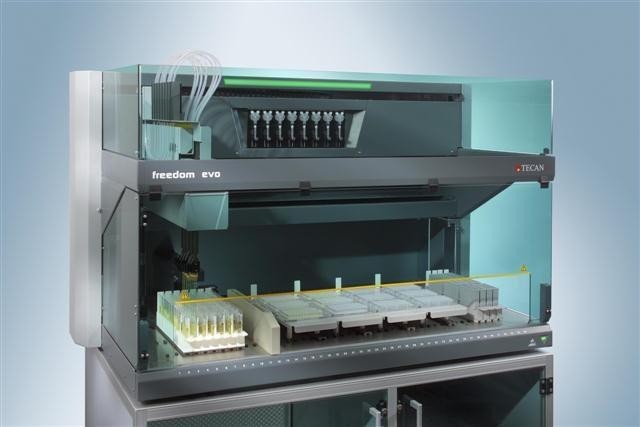
Tecan EVO Freedom 150 Laboratory Robot
The robot works with disposable inductive tips, allowing for any type of forward and reverse pipetting, detection of liquid levels, and transfer of liquids (titration) within the working area under conditions of high sterility (chemical purity). The use of expansion modules for the robot significantly enhances its functionality.
This robotic complex allows for arbitrary modification of the working area and features a flexible configuration for further station development through the installation of expansion modules (www.tecan.com). The robot has a simplified programming system built on a user-friendly visual programming environment, including a high-level programming language.
Technical specifications of the robot:
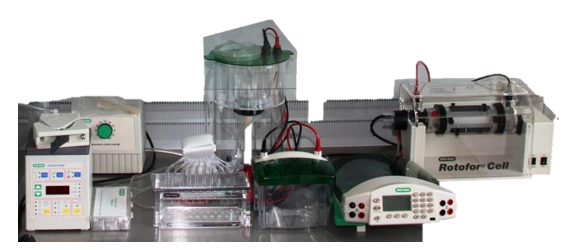
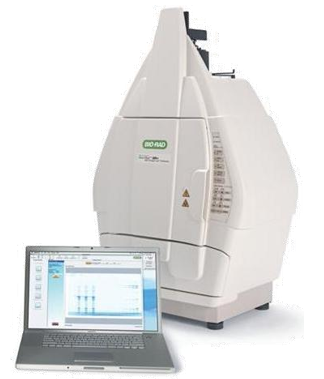
Complex for One-Dimensional and 2D Electrophoresis with Isoelectric Focusing of Proteins
Mini-PROTEAN® Tetra System. A mini chamber for vertical electrophoresis. It has a large format and is equipped with a gel cooling system connected to a flow-through thermostat. A distinctive feature of this type of chamber is the ability to conduct electrophoresis at a set temperature, including cooling, which significantly expands the range of applications for these chambers. They can be used for both standard SDS electrophoresis and native protein electrophoresis, "protein electrophoresis in acidic buffer," and other applications. With the help of cooling, the activity of proteins during native electrophoresis can be preserved, and the gel can subsequently be used for isoenzyme analysis.
The electrophoresis complex includes a preparative chamber with a peristaltic pump and a fractionation system integrated with a high-performance liquid chromatography (HPLC) purification system.
Rotofor Cell System. An instrument for separating proteins from solutions through liquid-phase preparative isoelectric focusing. It separates a protein complex mixture into 20 individual fractions through IEF. It processes up to one gram of protein and effectively concentrates proteins, making it an efficient method for obtaining weakly associated proteins. To stabilize the electric field system, a "low-temperature water bath" is used to maintain the temperature in the focusing chamber at 5-10 degrees Celsius.
Gel Doc XR+ (BioRad) – the gel documentation system is easy to use and provides high resolution and sensitivity for detecting chemiluminescent dyes or high-resolution 2D gels. It optimizes reproducibility and reliability of experimental data, allowing for quantitative comparisons across different experiments. The Gel Doc XR+ system is equipped with high-resolution CCD cameras and specialized software with extensive functionality.
The combination of the Rotofor Cell System for isoelectric focusing and mini-Protean cells, as well as the 20-cm electrophoresis chamber Helicon, allows us to implement 2D electrophoresis technology, which is one of the main tools in proteomic research. This enables not only the search for individual marker protein molecules and their visualization through various methods (using the GelDoc XR+ system from BioRad) but also the identification of proteins using MALDI-TOF technology (Microflex, Bruker) and a combination of the Infinity 1260 HPLC system (Agilent) with a quadrupole mass spectrometer (ESI) and a protein fraction collector. Such a combination of technological solutions for protein analysis creates truly unique opportunities for research in understanding the functioning of the unknown universe known as the proteome.
The IEF system on strips Hoefer IEF 100
Vertical chamber SE600 Large Format for the second dimension of 2D electrophoresis – a chamber for electrophoresis of proteins in polyacrylamide gels.
Main characteristics:
For pouring gels, the following is needed:
Chromatographic Complex
Chromatographic analysis combined with mass spectrometric detection methods is considered an ideal combination of technological solutions, allowing the methods of chromatographic separation and purification of molecules (including macromolecules) to complement highly sensitive non-selective methods for qualitative and quantitative analysis.
A set of such unique characteristics, combined with minimal sample preparation and the ability to integrate with other laboratory technologies and hardware solutions, creates opportunities for the active use of this hardware-software complex in solving a wide range of tasks. Potential areas of application for chromatographic methods include:
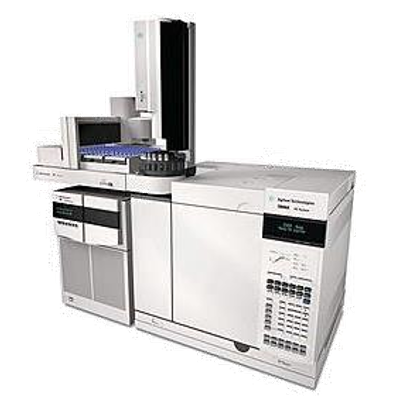
Figure 1 - Gas Chromatograph Agilent 7890
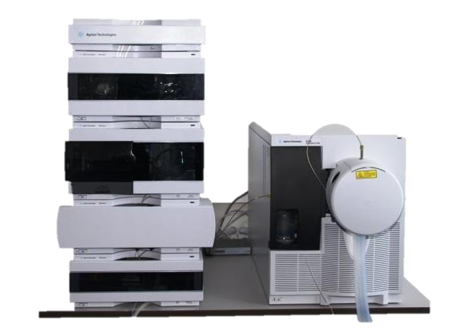
Figure 2 - High-Performance Liquid Chromatograph Agilent 1260 Infinity
Our laboratory includes two chromatographs that fully utilize the capabilities of modern chromatography across a wide range, from mixtures of compounds with low boiling points to macromolecular protein mixtures. The chromatograph models presented use mass spectrometric analyzers with high-performance hardware-software complexes and updatable chemical databases as detection modules.
Gas Chromatograph Agilent 7890
The Agilent 7890A provides qualitative and quantitative analyses of complex mixtures of organic compounds, as well as gas mixtures over a wide range of concentrations. The fifth generation of gas flow control systems, along with the fast electronics implemented in the chromatograph, has set a new standard for the accuracy of retention time recording, making the new gas chromatograph Agilent 7890A the most reliable system among all previously used.
The design of the new monolithic gas flow control module uses a minimal number of O-rings, ensuring unique reliability of this crucial component of the chromatograph.
Even faster thermostat cooling, column backflush technology, improved automation methods, and rapid heating of the GC/MS system components allow you to do more in less time at the lowest sample analysis cost. The flexible design of the electronic gas flow control system enables the implementation of even more complex hydrocarbon analysis methods than before. An additional third detector (thermal conductivity detector) can significantly speed up complex gas analyses and allows for more various types of analyses on a single instrument.
High-Performance Liquid Chromatograph Agilent 1260 Infinity
The Agilent 1260 Infinity chromatographs can implement any methodology related to the separation of the most complex mixtures over the widest range of concentrations and scales—from micro- and even nano-gram quantities to preparative amounts measured in hundreds of milligrams or even grams.
Increasing the working pressure from 400 to 600 bar and the data collection frequency to 80 Hz, as well as using columns with a particle size of less than 2 μm, allows users of the Agilent 1260 Infinity model to operate in both traditional HPLC and ultra-high-performance liquid chromatography (UHPLC).
Leak diagnostics system;
Undoubtedly, the advantages of this chromatographic complex include the possibility of complementing it with other technological solutions already present in the laboratory, creating extensive opportunities for conducting high-efficiency screening studies covering a wide range of targets, from individual point mutations to multiple gene ensembles; from structural modifications of polypeptide chains to new pathogenetic pathways involving multiple protein interactions.
Auxiliary Equipment
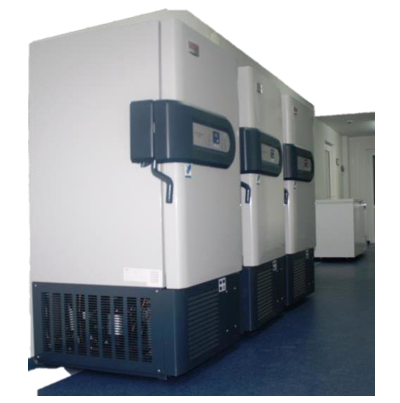
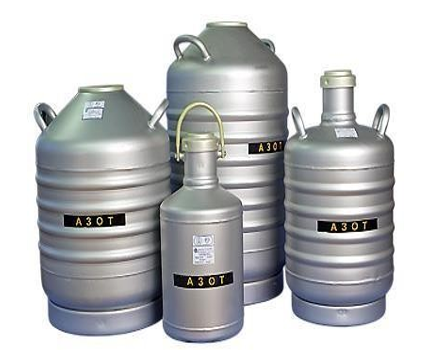
The laboratory has capabilities for cryopreservation of samples at various temperature regimes (from -20 to -80 degrees Celsius), with a total capacity of more than 1500 liters of refrigerated volumes.
The high quality of water used for preparing working solutions is ensured by a Milli-Q water purification system produced by Millipore.
The laboratory conditions provide extensive sample preparation capabilities, including ultracentrifugation, ultrasonic treatment of samples, vacuuming of preparations, and much more.
